Landing in a new country often comes with the immediate need for connectivity to navigate, call a ride, or check hotel details. Choosing between an eSIM and an airport SIM kiosk is a decision that impacts both your travel budget and your stress levels. This comparison of eSIM vs. Airport SIM Card Kiosks: The Real Cost and Time Comparison (2026) aims to help you decide which connectivity method fits your travel style.
The True Cost of Airport SIM Kiosks
Airport SIM kiosks often charge a premium for the convenience of immediate service. While you might see advertised prices that look reasonable, they often exclude taxes, activation fees, or mandatory top-up requirements that inflate the final bill. You are essentially paying for physical retail space, staffing costs, and the captive audience of tired travelers who have no other immediate options.
Furthermore, airport kiosks rarely offer the most competitive data packages. You are usually limited to the specific carrier operating the kiosk, which may have inferior coverage compared to other local networks. If you require a specific amount of data, you may be forced to purchase a larger, more expensive package than necessary, leading to wasted money.
The Efficiency of Digital eSIM Activation
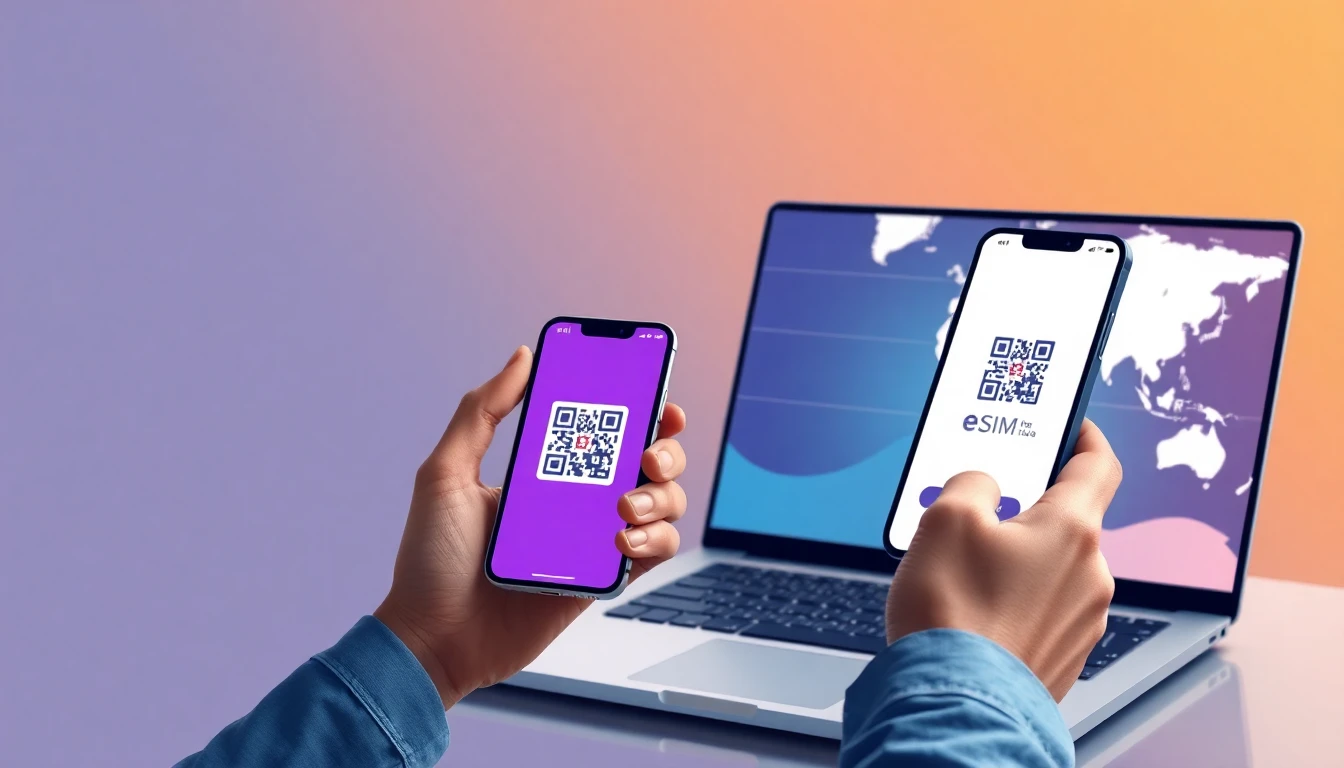
An eSIM is a digital SIM embedded directly into your device. Because it is software-based, there is no physical chip to swap or lose. You can purchase your plan weeks before you travel, meaning you avoid the need to find a kiosk or wait in line after a long flight. You simply install the eSIM via a QR code or manual activation code provided after purchase.
Most modern smartphones support eSIM technology, including recent models from Apple, Samsung, and Google. If your device is carrier-unlocked, you can typically activate your data plan the moment you touch down. This eliminates the frantic search for a store, the language barriers, and the need to carry a paperclip to open your SIM tray.
Comparing Activation Time and Effort
Time is a valuable commodity when traveling. At an airport kiosk, you must locate the stand, wait in a queue, present your passport for registration, and wait for the staff to manually configure your phone. This process can take anywhere from 15 to 45 minutes, depending on the length of the line and the complexity of your device settings.
In contrast, an eSIM is ready to go as soon as you arrive. You can complete the install process while still on the airplane or while waiting for your luggage. Once you land, you simply toggle the eSIM on in your settings. For those who prefer a stress-free transition from the airport to their destination, the digital route is significantly faster.
Data Needs and Network Reliability
Travelers typically require 1GB to 3GB of data per day depending on their usage habits. If you are using navigation apps, social media, and video calls, your consumption will be higher than someone who only uses messaging apps. Airport SIM cards are often sold as 'tourist packages' that may limit tethering or include unnecessary voice minutes that you might never use.
When purchasing an eSIM, you have the flexibility to select plans based on your exact data needs. You can buy a small 1GB package for a short trip or a large 20GB package for a longer stay. Many eSIM providers work with multiple local carriers, ensuring you get the best possible coverage in that region. If you run out of data, you can easily purchase a top-up through your provider's app or website.
Managing Your Primary Number
One major advantage of using an eSIM is the ability to keep your primary SIM active simultaneously. On many dual-SIM devices, you can set your home SIM to handle incoming calls and texts while using the eSIM for all your data needs. This ensures you never miss a two-factor authentication code or an important call from back home.
If you use an airport physical SIM, you must remove your primary SIM card to insert the local one. This increases the risk of losing your original SIM card, which is small and easily misplaced. Keeping your primary SIM safe inside your phone while using a secondary eSIM is the safest way to manage your mobile identity while abroad.
When to Choose Which Option
Choose an airport kiosk if you have an older device that does not support eSIM, or if you have an urgent need for a local phone number for voice calls within the country. Some local services, such as ride-sharing or food delivery, may occasionally require a local number for verification, which some data-only eSIMs do not provide.
Choose an eSIM if you have a compatible device and value convenience, cost-transparency, and the ability to stay connected the second you land. Platforms like ineedesim offer a variety of plans that cater to different regions, allowing you to compare prices and data caps long before you leave home. If you encounter any technical issues, you can always visit our help page for assistance.
Frequently asked questions
Do all phones support eSIM technology?
Most smartphones manufactured after 2019 support eSIM, but it is essential to check your device compatibility in the settings menu. Ensure your phone is carrier-unlocked, as locked devices will not be able to activate an eSIM from a different provider.
Can I use my eSIM for tethering and hotspot?
Yes, most travel eSIMs allow you to share your data connection via a personal hotspot. This is useful if you are traveling with a laptop or tablet and need to connect multiple devices to the internet simultaneously.
What happens if I run out of data?
Most eSIM providers allow you to purchase a top-up or an additional data package through their website or app. You do not need to install a new eSIM profile; the additional data is typically added to your existing account automatically.
Daten für Ihre Reise benötigt?
Durchsuchen Sie eSIM-Tarife für über 190 Reiseziele — sofortige QR-Zustellung.
Reiseziele durchsuchen