Choosing between an eSIM and a physical SIM card is a common dilemma for international travelers. While the ultimate goal is to maintain connectivity without breaking the bank, the cost-effectiveness of each option depends on your specific travel habits, device capabilities, and the duration of your trip. Understanding the underlying cost structures is the first step toward making an informed decision.
The fundamental cost difference
The price of a physical SIM card often includes hidden costs that are not immediately apparent. When you purchase a local SIM at an airport kiosk, you are paying for the plastic card, the overhead of the physical retail space, and often a premium for the convenience of immediate pickup. In contrast, digital eSIMs bypass these physical distribution channels. Because they are delivered electronically, providers eliminate the costs associated with manufacturing, shipping, and retail staff, which often results in lower price points for the data packages themselves.
However, the savings are not always purely about the sticker price of the data plan. You must consider the total cost of ownership, which includes potential roaming charges from your home carrier, the cost of a new physical SIM in every country you visit, and the time spent locating a shop upon arrival. For many travelers, the efficiency of an eSIM translates into monetary savings by preventing the need for expensive roaming add-ons provided by domestic mobile operators.
Device compatibility and hidden fees
Before deciding, you must verify if your device supports eSIM technology. Most flagship smartphones released since 2018 are compatible, but budget models often lack this hardware. If your phone is locked to a specific carrier, you may be unable to use an eSIM or a local physical SIM until you pay to have the device unlocked. This is a crucial step; if your phone is locked, you are effectively forced into using your home carrier's roaming plans, which are almost universally the most expensive option.
Physical SIM cards also carry the risk of loss or damage. If you lose a physical card, you must buy a replacement, which often involves another activation fee or a new plan purchase. An eSIM resides on your device's internal chip, meaning it cannot be physically lost or damaged. While it can be deleted, it can usually be re-installed using the original QR code or app provided by the store, saving you the cost of a replacement.
Data-only vs voice connectivity
Most travel eSIMs are designed as data-only solutions. This is a significant cost-saving feature for the modern traveler. By relying on data for communication through apps like WhatsApp, Telegram, or FaceTime, you avoid the high costs of international voice roaming and SMS fees. If you require a local phone number for business or reservations, a physical local SIM might be necessary, but these often come with higher monthly service fees that you may not need for a short trip.
If you find that your data usage is minimal, you can often save money by choosing smaller data packages via an eSIM store like ineedesim rather than committing to a full monthly plan from a local carrier. Flexibility is a major component of value. Being able to top up your data only when necessary prevents overspending on unused gigabytes.
The logistics of setup and activation
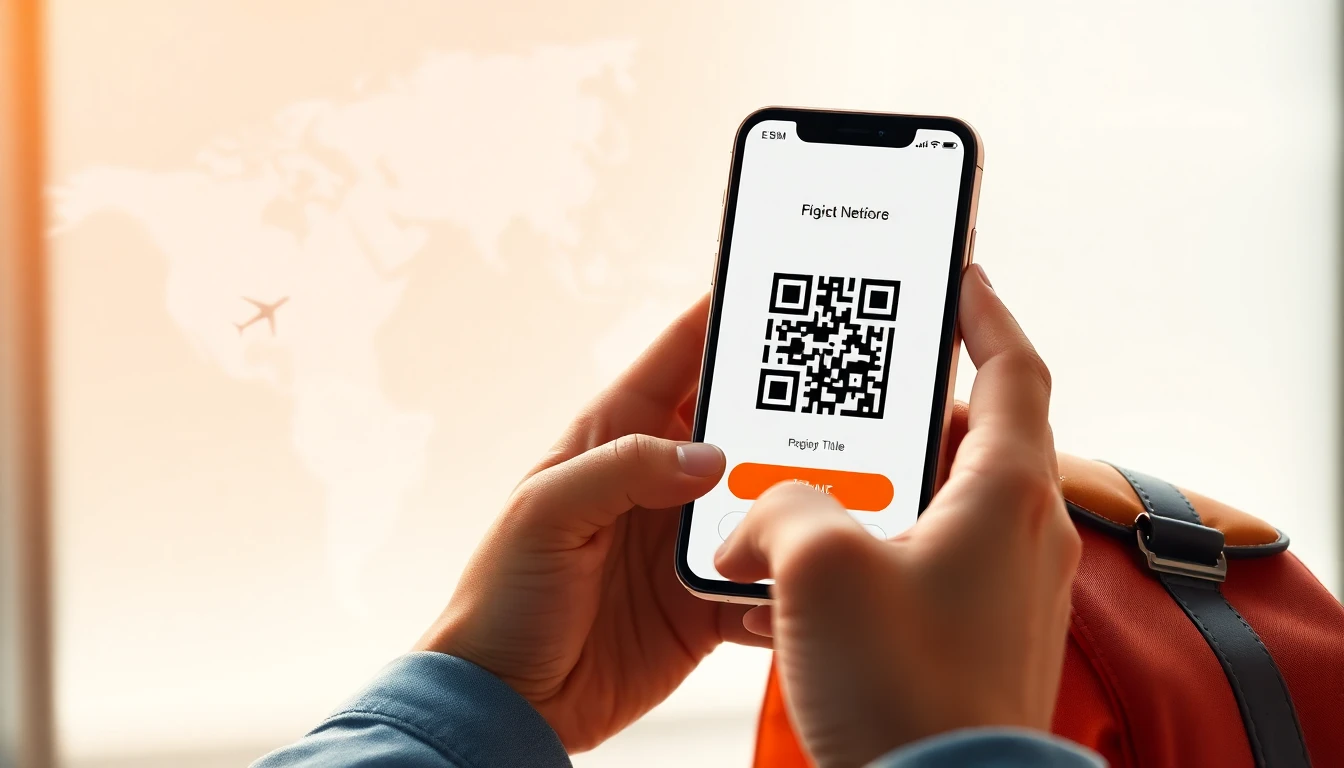
Installing an eSIM requires a stable internet connection, usually via Wi-Fi at the airport or hotel, to scan a QR code or input an SM-DP+ address. You can find detailed instructions on our install guide to ensure a smooth setup. The cost of failing to set up a physical SIM correctly can include wasted time standing in queues or paying for a plan that does not activate properly.
Physical SIM cards require you to physically swap your home SIM, which creates a risk of losing your original card. Keeping track of a tiny piece of plastic while traveling is a hassle that many would rather avoid. If you misplace your home SIM, the cost to replace it with your home carrier can be significant. The digital nature of an eSIM eliminates this risk entirely, protecting your home number and your wallet.
When a physical SIM is still the better choice
Despite the advantages of eSIMs, there are specific scenarios where a physical SIM card might be more economical. If you are traveling to a remote destination where eSIM infrastructure is not yet supported by local carriers, or if you are staying in a country for an extended period (several months), a local physical SIM card might offer unlimited data plans that are cheaper than purchasing multiple eSIM top-ups. Always check the local market trends for your specific destination before assuming one format is cheaper.
Frequently asked questions
Is an eSIM always cheaper than a physical SIM?
Not necessarily. While eSIMs often have lower overhead costs, local physical SIMs can sometimes offer better value for very long-term stays or specific unlimited data plans. You should compare the cost per gigabyte of both options for your specific destination.
Can I use my home number with an eSIM?
Yes, if your phone supports dual SIM functionality, you can keep your home SIM active for calls and texts while using an eSIM for data. This helps you avoid high roaming fees while staying reachable on your primary number.
What happens if I run out of data on my eSIM?
Most eSIM providers allow you to purchase a top-up directly through their app or website. This is typically more cost-effective than buying an entirely new plan or switching to expensive roaming data from your home provider.
Daten für Ihre Reise benötigt?
Durchsuchen Sie eSIM-Tarife für über 190 Reiseziele — sofortige QR-Zustellung.
Reiseziele durchsuchen