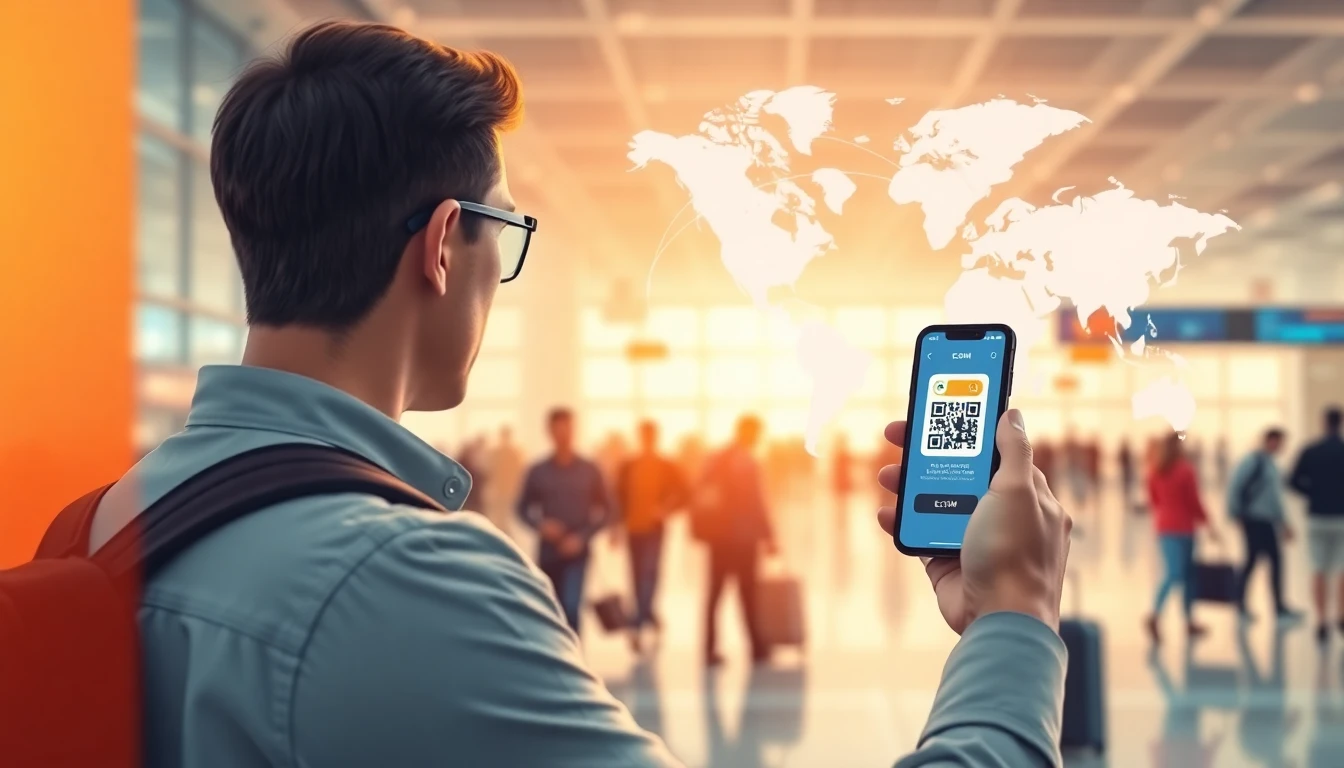
Solo travel is at an all-time high, offering unparalleled freedom to explore the world on your own terms. Whether you are navigating a bustling market in Marrakech or finding a quiet cafe in Lisbon, the experience is empowering. However, amidst the excitement of booking flights and scouting hostels, many travelers overlook the one thing that keeps them safe and connected: reliable, independent mobile data.
The Hidden Risk of Relying on Public Wi-Fi
Many solo travelers assume they can survive on hotel Wi-Fi or local coffee shop hotspots. While this might work for a quick social media update, it is a dangerous strategy when you are alone in a foreign country. Public networks are often unsecured, leaving your personal data vulnerable to interception. Relying on them also means you are tethered to specific locations, unable to access real-time navigation or translation apps when you are moving between destinations.
For a solo traveler, connectivity is not just about convenience; it is a safety tool. Being able to access maps, emergency services, and messaging apps while walking through unfamiliar streets is essential. When you rely solely on public networks, you lose that safety net the moment you step outside their limited range.
Why Traditional Roaming Is a Trap
Most travelers are familiar with their home carrier's international roaming plans. While convenient, these are frequently the most expensive way to stay connected. Many providers charge a steep daily fee that adds up quickly over the course of a multi-week trip. Furthermore, these plans often throttle your speeds after a certain amount of data is used, leaving you with a connection that is barely functional for basic map loading.
By contrast, a travel eSIM provides a local-like data experience at a fraction of the cost. Because you are essentially purchasing data directly from a network provider in your destination, you avoid the heavy markups applied by your home carrier. This allows solo travelers to allocate more of their budget to experiences rather than inflated roaming bills.
Understanding eSIM Compatibility
Before you can utilize an eSIM, you must ensure your device is compatible. Most modern smartphones released in the last few years support eSIM technology. You can typically check this in your phone's settings menu under cellular or mobile data options. If you see an option to add an eSIM or a digital SIM, your device is ready to go.
It is important to note that some carrier-locked devices may not support eSIMs from other providers. If your phone was purchased through a specific carrier and is still under contract, you should confirm it is unlocked before your trip. A quick call to your home carrier or a check of your device settings can save you significant frustration upon arrival at your destination.
How eSIM Activation Works
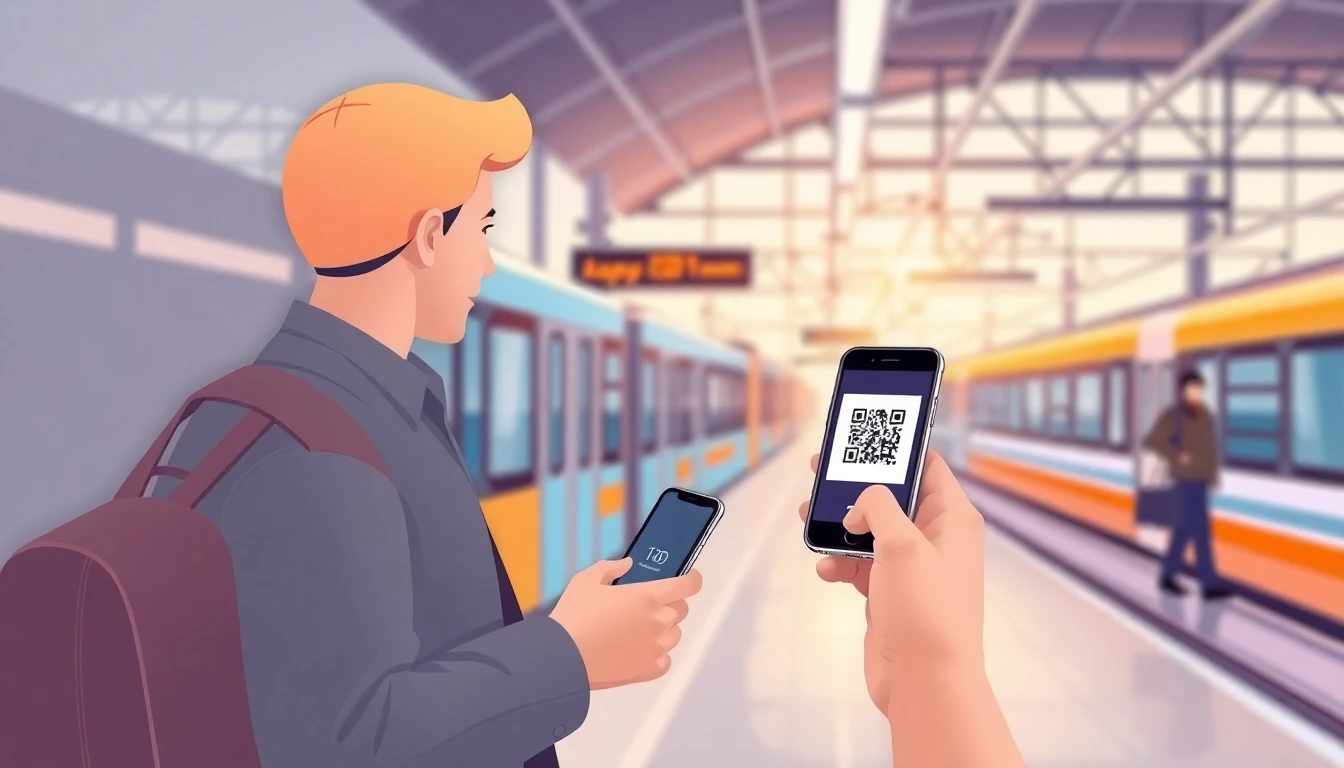
Activating an eSIM is a straightforward process that typically happens via a QR code or an SM-DP+ address. Once you purchase your data package from a provider like ineedesim, you will receive instructions to scan a QR code or manually enter activation details. This process links your device to a local network provider in your destination country.
Most travelers choose to install the eSIM before they leave home. Once installed, it remains inactive until you arrive at your destination and toggle the data roaming switch for that specific eSIM profile. This ensures you have a connection the moment your plane touches down, allowing you to call an Uber or check your reservation details without searching for airport Wi-Fi.
Data Needs and Managing Usage
Solo travelers often worry about how much data they actually need. While usage varies, a typical traveler requires between 500MB and 1GB per day. This covers navigation, casual web browsing, messaging, and occasional video calls. If you plan to stream high-definition video or upload large files, you will need significantly more.
To manage your usage, keep an eye on your phone's built-in data statistics. You can often restrict background data usage for apps that consume large amounts of bandwidth. If you find yourself running low, many eSIM providers allow for easy top-ups through their apps or websites. For detailed steps on how to manage your connection, you can visit our install guide.
Tethering and Multi-Device Use
One of the most useful features of an eSIM is the ability to use your phone as a mobile hotspot. If you are a solo traveler carrying a laptop or a tablet, you can tether your devices to your phone's data connection. This provides a secure, private network that you control, rather than relying on potentially compromised hotel Wi-Fi.
Keep in mind that tethering consumes your data allowance much faster than mobile browsing. If you plan to work remotely while traveling, opt for a larger data package from the start. This ensures you do not face a sudden loss of connectivity right when you need it most.
Frequently asked questions
Do I need to remove my physical SIM card to use an eSIM?
No, you do not need to remove your physical SIM card. Most modern phones allow you to keep your home SIM active for calls and texts while using the eSIM specifically for mobile data.
What should I do if my eSIM is not connecting?
First, ensure that your data roaming is toggled on for the eSIM profile in your phone settings. If it still does not connect, check our help page for troubleshooting steps like manual network selection or APN configuration.
Can I use an eSIM for voice calls?
Most travel eSIMs are data-only, meaning they do not come with a local phone number for traditional cellular calls. You can still make voice and video calls using apps like WhatsApp, FaceTime, or Skype over your data connection.
Precisa de dados para a sua viagem?
Explore planos eSIM para mais de 190 destinos — entrega instantânea por QR code.
Explorar destinos