Mexico City is arguably the street food capital of the world. From the early morning steam of tamale carts to the late-night sizzle of trompos spinning al pastor meat, the culinary landscape is vast and fast-moving. Finding the best spots often requires a mix of local recommendations and real-time navigation. Because the most authentic stalls are frequently tucked away in side streets or pop up during specific hours, having reliable mobile data is essential for checking reviews and mapping your route.
Navigating these bustling neighborhoods efficiently means you need a stable internet connection. Many travelers find that relying on public Wi-Fi in a city this large is a mistake, as it is often insecure or unavailable exactly when you need to look up a hidden gem. Using an eSIM allows you to maintain a consistent connection across the city without hunting for local SIM cards or paying high roaming fees from your home carrier. You can activate your plan via a QR code or SM-DP+ address before you arrive, ensuring that as soon as you land, you are ready to explore.
The essential street food hierarchy
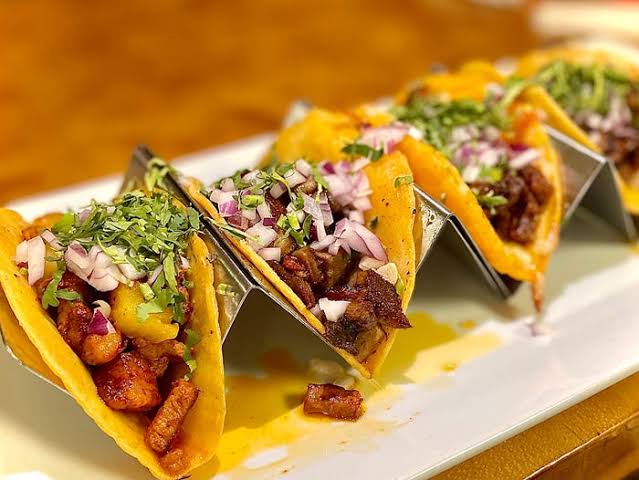
To eat like a local, you must understand the categories of street food. Tacos are the foundation, but they vary by style and time of day. Tacos de guisado, which feature stewed fillings, are typically enjoyed as a hearty breakfast or lunch. Tacos al pastor, characterized by marinated pork shaved from a vertical spit, are the quintessential evening meal. You will also encounter tlacoyos, which are thick, oval-shaped masa cakes topped with beans, cheese, or cacti, and are perfect for a handheld snack while walking.
When searching for these stalls, use your data to check platforms that aggregate real-time local feedback. Popular spots often have long lines, which is usually a sign of quality and high turnover, meaning the food is fresh. If you are struggling to find a specific vendor, using a mapping app with a reliable data connection is the most effective way to navigate the complex grid of Mexico City streets. If you need assistance setting up your connection, you can check our installation guide.
Staying connected while you eat
When you are moving between neighborhoods like Roma, Condesa, and Centro Histórico, you need a data plan that supports constant GPS usage. Most travelers find that 500MB to 1GB of data per day is sufficient for using maps, translating menus, and sharing photos of your meals. Because eSIMs are data-only, they are perfect for this, as they do not interfere with your home number if you keep it active for essential SMS or calls.
Before you purchase an eSIM, ensure your smartphone is carrier-unlocked. This is a common mistake that prevents the eSIM profile from activating. Most modern smartphones, including recent iPhones and Android flagships, are eSIM compatible. Once you have a compatible device, you can manage your data usage directly through your phone settings, allowing you to tether your tablet or laptop if you need to upload high-resolution content or work remotely from a cafe.
How to spot a quality stall
Beyond digital reviews, you can rely on visual cues to identify the best street food. Look for stalls with a high volume of local customers. A stall that is busy at 2:00 PM is almost certainly serving high-quality food. Additionally, check for cleanliness in the preparation area and ensure that the cook uses separate hands or tools for handling money and serving food. These small details are often the difference between a great meal and an upset stomach.
If you find yourself in a neighborhood with weak signal strength, check your device settings to ensure you are manually selecting the best available network in your cellular menu. Sometimes, toggling airplane mode can force your device to reconnect to a stronger tower. If you encounter persistent issues, you can visit our help page for troubleshooting tips regarding your connectivity.
Planning your food crawl
Mexico City street food is best experienced as a crawl. Start with a light breakfast of tamales and atole, move to tacos de guisado for lunch, and save the heavy, flavorful al pastor for the evening. Because these stalls are spread across massive distances, you will likely use public transportation or ride-sharing apps between stops. Keeping your phone charged and connected is vital for coordinating these logistics.
Avoid the trap of eating only at tourist-heavy locations. While some are excellent, the best values and most authentic flavors are usually found in residential pockets where you are the only visitor. Using your phone to translate specific ingredients or asking locals for their favorite stand can lead to culinary discoveries you would never find in a guidebook.
Frequently asked questions
Do I need a local phone number for street food apps?
Most food delivery and navigation apps in Mexico City function perfectly with just a data-only eSIM. You do not need a local voice number to use Google Maps, Yelp, or social media to find the best stalls.
Can I use my eSIM for hotspotting?
Yes, most eSIMs allow for tethering or hotspotting. This is useful if you are traveling with a group and want to share your data connection while navigating to a new food destination.
How much data do I really need per day?
For a typical traveler using maps, social media, and translation tools, 500MB to 1GB per day is usually plenty. If you plan on uploading many videos or streaming, you might want to opt for a larger data package.
What if my eSIM stops working?
If your connection drops, check your APN settings in your phone's cellular menu. Most issues are resolved by ensuring your data roaming is toggled to on for the specific eSIM profile you are using.
Need data for your trip?
Browse eSIM plans for 190+ destinations — instant QR delivery.
Browse destinations