The festive season is a peak time for international travel, making reliable connectivity more important than ever. Whether you are navigating busy Christmas markets in Europe or ringing in the New Year in a tropical destination, having consistent internet access is essential for maps, ride-sharing apps, and staying in touch with family. An eSIM for Christmas & New Year Travel 2026 offers a modern alternative to traditional roaming, allowing you to bypass expensive carrier fees while maintaining your primary phone number for essential calls.
Checking your device compatibility
Before purchasing an eSIM, you must confirm your smartphone is carrier-unlocked and eSIM-capable. Most modern flagship phones released after 2018 support eSIM technology, but older or budget-tier models may not. You can typically verify this in your phone settings under the cellular or mobile data menu. If you see an option to add an eSIM or manage cellular plans, your device is likely compatible.
It is also critical to ensure your phone is not locked to a specific network provider. If you purchased your phone through a mobile contract, it might be restricted to that carrier's network, which prevents you from adding a secondary eSIM. Contact your home carrier to confirm your device is unlocked before your departure date.
Data requirements for holiday travel
Determining how much data you need depends on your typical usage patterns during travel. If you primarily use your phone for basic navigation, messaging, and checking emails, a modest plan of 3GB to 5GB for a week-long trip is usually sufficient. However, if you plan to share photos of your holiday festivities on social media, stream music, or use video calling to connect with family, you should consider plans ranging from 10GB to 20GB.
Keep in mind that travel data consumption often spikes when you are away from hotel Wi-Fi. It is helpful to download offline maps and pre-load travel documents before leaving your accommodation. Most eSIM providers allow you to monitor your usage through their app or portal, and many offer simple top-up options if you find yourself running low on data mid-trip.
Installation and activation process
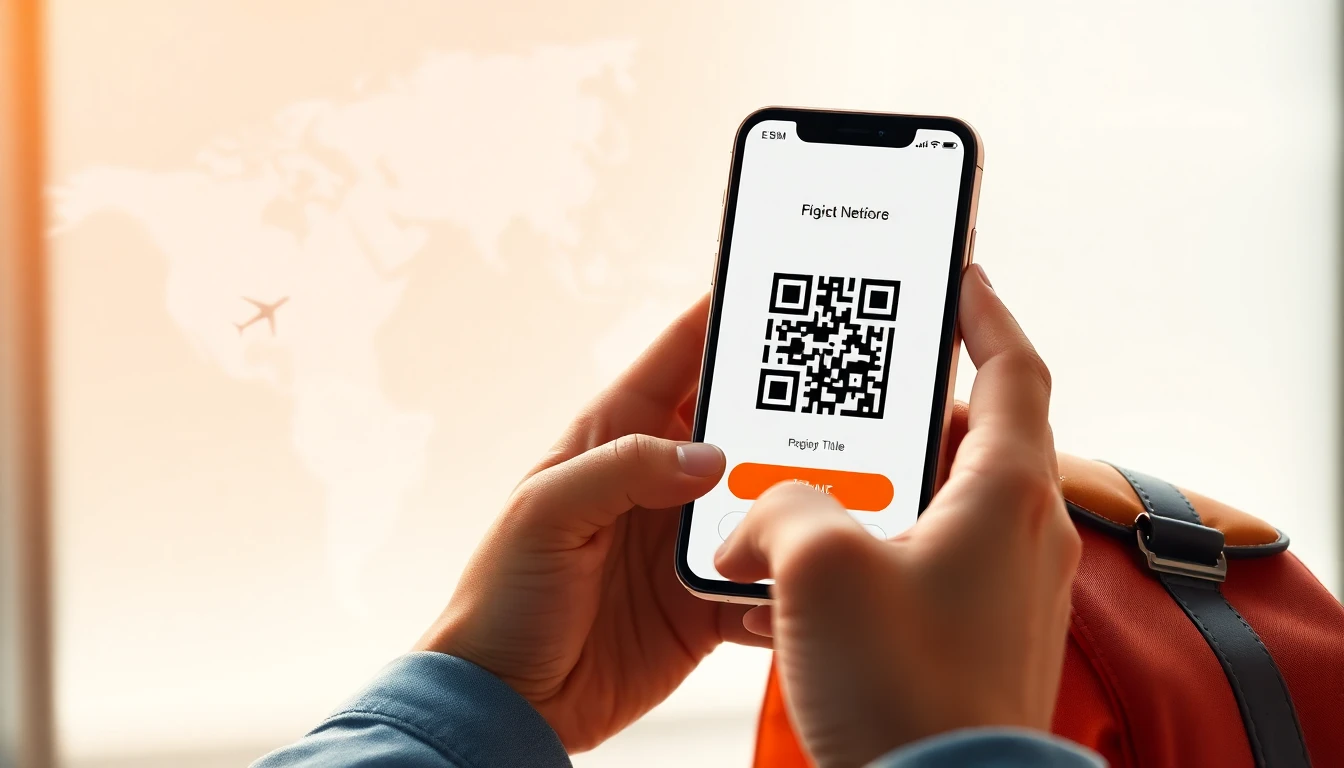
Installing an eSIM is a straightforward process that you can complete before you leave home. Once you purchase your plan, you will receive a QR code or an activation string. You can find detailed instructions on how to set this up on your specific device by visiting our install page. It is best to add the eSIM to your phone while you still have a stable internet connection at home.
Activation typically occurs the moment the eSIM connects to a supported local network at your destination. Your phone will then switch to the eSIM for data, while your primary SIM can remain active for voice calls and SMS if needed. If you encounter any issues during the initial setup, you can consult our help section for common troubleshooting tips, such as toggling airplane mode or verifying your APN settings.
Managing roaming and tethering
One of the primary benefits of a travel eSIM is the ability to use your phone as a mobile hotspot. This is particularly useful if you are traveling with family or using multiple devices like a tablet or laptop. Most eSIM data plans allow for tethering, but you should verify this in the plan details before purchase. Keep in mind that tethering will consume your data allowance much faster than standard phone usage.
To avoid accidental charges, ensure your home carrier's data roaming is turned off for your primary SIM card. Your phone settings allow you to designate which line is used for cellular data. By selecting your travel eSIM as the primary data line, you ensure that all internet traffic is routed through your prepaid package, effectively eliminating the risk of unexpected roaming fees from your home provider.
Benefits of local vs regional eSIMs
When planning a multi-country itinerary for the holidays, you have the choice between local eSIMs and regional eSIMs. A local eSIM is designed for a single country and often offers the most competitive pricing and highest speeds. If you are staying in one location for the entire holiday, a local plan is usually the most efficient choice.
If you are traveling through several countries, such as a tour across different European nations, a regional eSIM is significantly more convenient. It provides seamless connectivity as you cross borders without needing to purchase and install a new eSIM in every country. While regional plans may have slightly higher base costs, they eliminate the stress of managing multiple profiles during your trip.
Frequently asked questions
Can I still receive calls on my home number while using an eSIM?
Yes, if your phone supports dual-SIM functionality, you can keep your primary physical SIM or eSIM active for voice and SMS while using the travel eSIM for data. Ensure you check with your home carrier regarding international roaming rates for incoming calls and texts to avoid unwanted charges.
What happens if I run out of data during my trip?
Most eSIM providers allow you to purchase a top-up or an additional data package directly through their website or app. This can be done instantly as long as you have a brief internet connection, allowing you to continue using your data without needing to install a new QR code.
Why is my eSIM not connecting to the network?
If your eSIM is not connecting, try toggling airplane mode on and off to force a network refresh. Also, verify that data roaming is enabled specifically for the travel eSIM profile in your cellular settings, as this is a common requirement for the connection to establish.
Need data for your trip?
Browse eSIM plans for 190+ destinations — instant QR delivery.
Browse destinations