Neon Streets, Quiet Shrines: Staying Online Across Japan
From Shibuya's crossing to a temple garden in Kyoto
Japan tends to surprise people with how much it shifts within a single trip — Tokyo's crowded intersections and vending machine culture giving way, a bullet train ride later, to Kyoto's quiet temple gardens and Osaka's street food alleys. Some visitors add a detour north to Hokkaido's ski slopes or south to Okinawa's beaches, stretching the contrast even further. iNeedeSIM gets your eSIM into your inbox before you fly, live the moment you land at Narita, Haneda, or Kansai airport.
Local SIM options exist in Japan, but they're not always straightforward for visitors — counters can be tucked away in the airport, staff may not speak much English, and some providers require a Japanese address or ID that tourists simply don't have. An eSIM avoids the whole issue. It's a digital profile you install before you leave home, no counter, no paperwork, no address requirement. Land, switch on roaming, and you're connected.
Coverage across Japan is genuinely excellent almost everywhere. Tokyo, Osaka, and Kyoto all run fast, dependable networks, and that quality holds up on the Shinkansen bullet trains too, so you can actually get work done or stream something during a three-hour ride between cities. Even rural areas tend to have decent signal, though mountain regions like parts of the Japanese Alps or more remote stretches of Hokkaido can occasionally drop coverage, so it's worth having offline maps as backup if a hiking day is planned.
A few places are worth having a live connection for specifically. Fushimi Inari's thousands of torii gates in Kyoto make GPS handy for figuring out how far up the mountain you actually want to hike. Tokyo's train system, while excellent, is dense enough that a transit app pulled up in real time beats trying to memorize a route in advance. Reservations for certain restaurants and popular spots like teamLab's digital art museums fill up fast, and booking them on the go from your phone often works better than trying to plan everything before you land. And if a day trip to Mount Fuji is on the list, checking weather and visibility conditions ahead of time saves a wasted drive on a cloudy day.
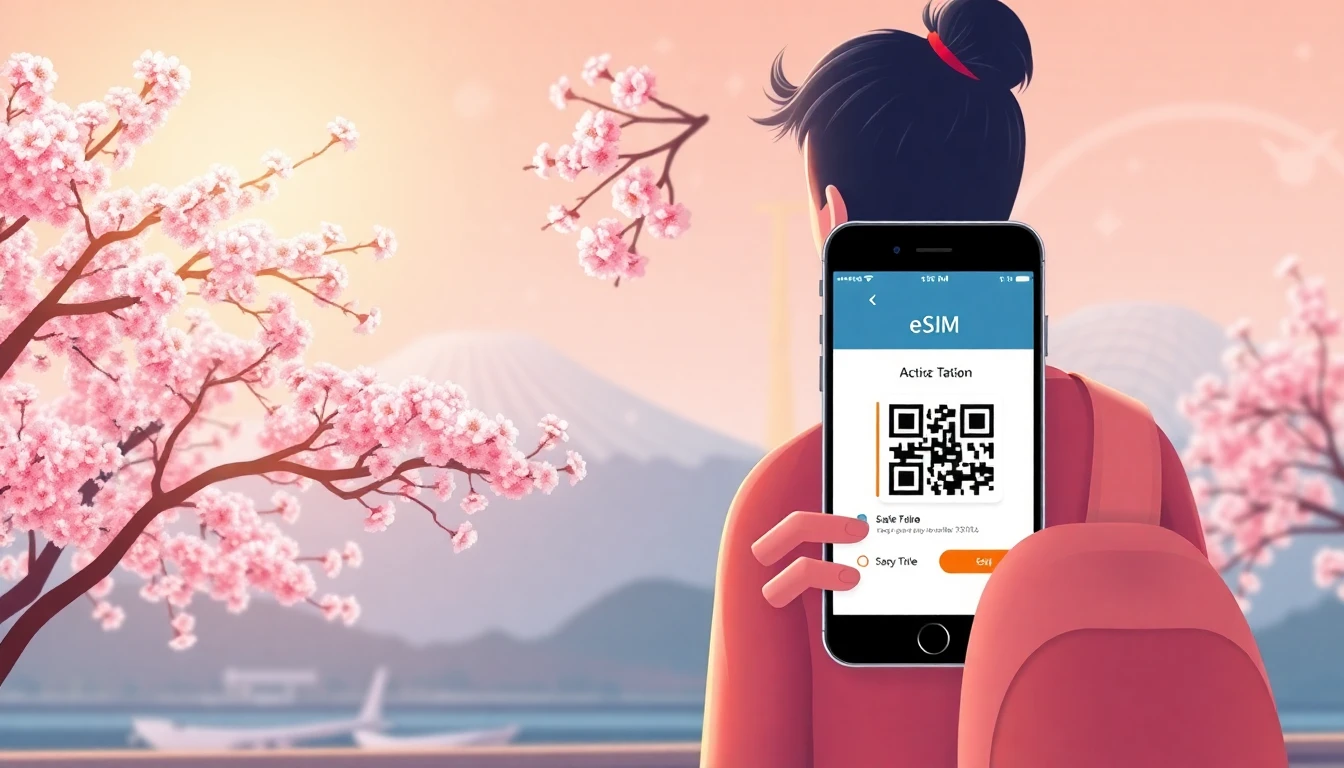
Getting set up takes a few minutes: buy the Japan plan through iNeedeSIM, pull the QR code from your confirmation email, and scan it into your phone's cellular settings. Rename the line "Japan" so it's easy to spot, then turn on roaming once you've landed. That's the entire process, handled before you've even packed.
The appeal isn't just skipping a counter — it's that a Japan trip already involves enough new systems to learn, from train ticket machines to restaurant ordering kiosks, without adding a confusing SIM registration process to the list. iNeedeSIM removes that one variable, with support available any hour if something needs sorting mid-trip.
Whether the days ahead are packed with neon-lit crossings or quiet mornings in a temple garden, none of it needs to wait on finding a signal first. Get the eSIM sorted through iNeedeSIM before you fly, and Japan's ready the moment you land.