Solo female travel in 2026: why an eSIM should be the first thing you pack is a question of safety, autonomy, and seamless navigation. As digital infrastructure evolves, the traditional reliance on physical SIM cards or expensive domestic roaming plans has become obsolete for the modern woman on the move.
An eSIM, or embedded SIM, is a digital version of a physical SIM card that allows you to activate a mobile data plan without needing to swap hardware. For those traveling alone, this technology is a game-changer that ensures your phone is functional the moment your wheels touch the tarmac.
The Security Advantage of Constant Connectivity
When you are traveling solo, your smartphone is your lifeline. Having a reliable data connection allows you to use real-time navigation apps, access emergency services, and keep family updated on your whereabouts without relying on unpredictable public Wi-Fi networks.
Public Wi-Fi is often unencrypted, making it a target for data theft. By using a dedicated data eSIM, you bypass the need to connect to insecure hotspots at cafes or airports. This keeps your private information, banking details, and personal communications shielded from prying eyes.
Furthermore, having constant internet access means you can use ride-sharing apps late at night. You will not need to stand on a street corner searching for a signal; you can book a verified driver from the safety of your accommodation or a well-lit public space.
Understanding eSIM Compatibility and Setup
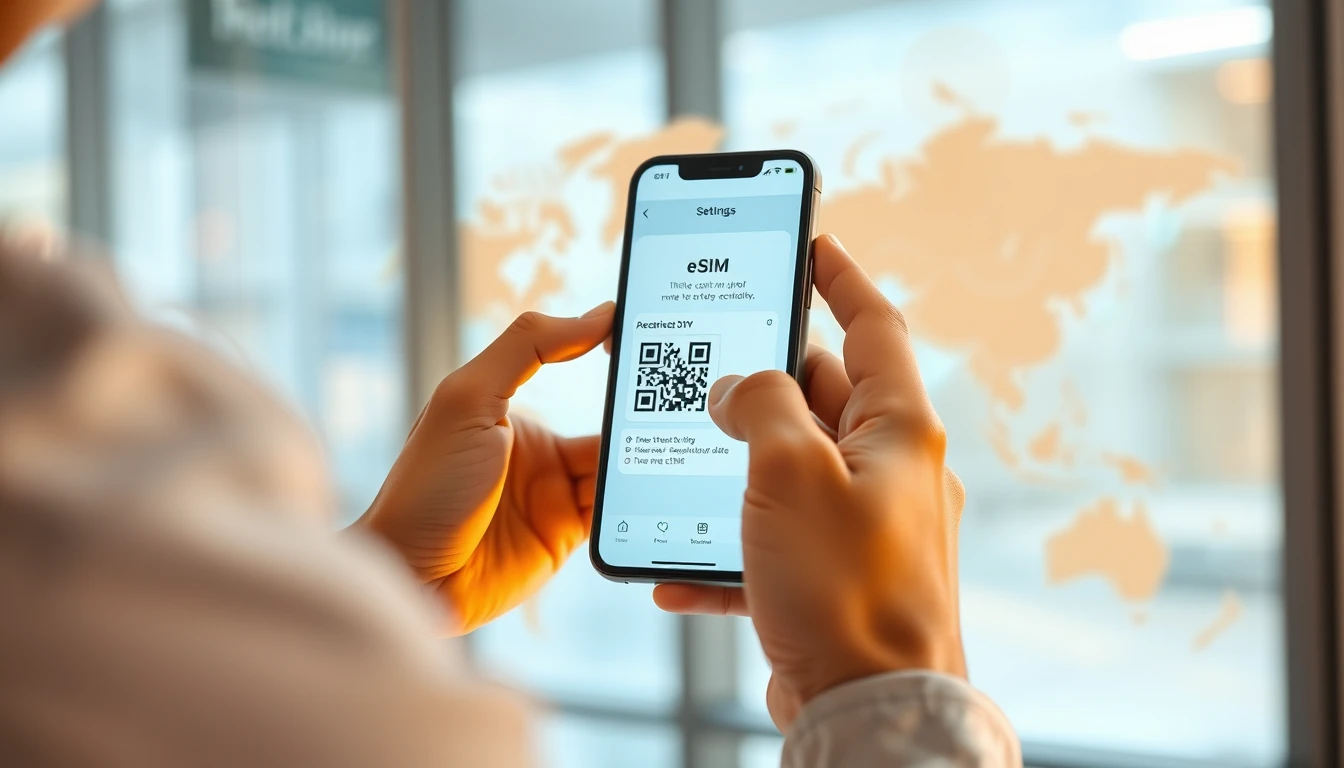
Before you depart, you must ensure your device is compatible. Most smartphones released in the last few years support eSIM technology. You can verify this by checking your phone's cellular settings for an option to add an eSIM or a cellular plan.
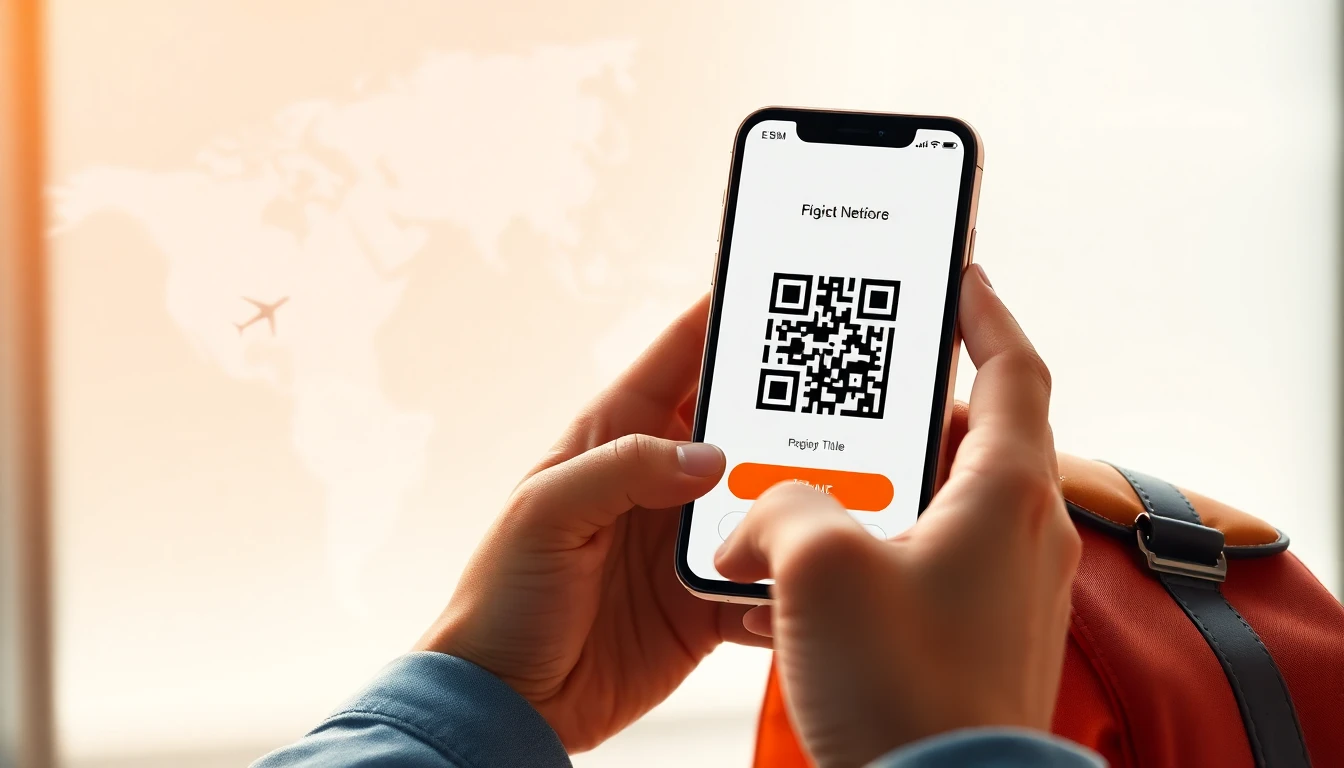
Activation is typically handled via a QR code or an SM-DP+ address provided by your service provider. Once you purchase a plan, you receive these details via email. You can find a detailed install guide on our website to walk you through the process, which usually takes less than five minutes to complete.
It is important to note that most travel eSIMs are data-only. This means they provide internet access for apps like WhatsApp, Telegram, or Skype, but they do not provide a traditional local phone number. For most travelers, this is sufficient, as voice and video calling over data is the standard for staying in touch.
Managing Data Usage on the Go
Typical data needs for a solo traveler range from 500MB to 1GB per day, depending on your usage habits. If you are strictly using maps and messaging, you will consume significantly less than if you are uploading high-resolution video content to social media or streaming music.
Most eSIM providers offer flexible packages ranging from a few days to a month. If you run out of data, many providers allow you to top up your plan through their app or website. This prevents the panic of suddenly losing your connection in an unfamiliar city.
If you are traveling with multiple devices, such as a laptop or tablet, check if your eSIM plan allows for hotspot tethering. This feature enables you to share your mobile data with other devices, turning your smartphone into a portable router for your other gear.
Avoiding Common Connectivity Pitfalls
One of the biggest mistakes solo travelers make is waiting until they land to find connectivity. Trying to find a local SIM card shop in a foreign language while exhausted from a flight is a recipe for stress. By setting up your eSIM before you leave, you arrive with a functional device.
Another common issue is leaving your primary SIM card active while roaming. This can lead to massive unexpected charges from your home carrier. Always ensure you have configured your phone to use the eSIM for mobile data and set your home SIM to 'off' or 'travel mode' to avoid accidental roaming fees.
If you encounter any technical difficulties, our help section offers solutions to common problems like activation failures or signal issues. Being prepared with a backup plan, such as downloading offline maps in Google Maps, is also a smart practice for any solo adventurer.
Why Choose ineedesim for Your Journey
At ineedesim, we understand the specific needs of solo travelers who prioritize reliability and ease of use. We provide transparent data plans that allow you to manage your connectivity budget effectively, ensuring you never pay for more than you need.
Whether you are exploring the historic streets of Europe or navigating the vibrant markets of Asia, having a dependable connection is essential. We focus on providing high-quality coverage so you can focus on the experience of your trip rather than the logistics of your network.
Frequently asked questions
Can I keep my WhatsApp number while using a travel eSIM?
Yes, your WhatsApp account is tied to your phone number, not the SIM card. You can keep your primary number active for messages and calls while using the eSIM solely for data.
Do I need to remove my physical SIM card?
Most modern phones allow you to keep your physical SIM card inside while the eSIM is active. You simply toggle your data settings to use the eSIM instead of your home provider.
What happens if my phone is stolen during my trip?
Because the eSIM is tied to the physical hardware of your phone, it would be inaccessible to a thief without your passcode. You should contact your service provider to suspend your data plan immediately if your device is lost or stolen.
Need data for your trip?
Browse eSIM plans for 190+ destinations — instant QR delivery.
Browse destinations