Why Puerto Rico is trending
Puerto Rico has recently seen a surge in popularity among international travelers, blending Caribbean relaxation with the convenience of a territory that feels both exotic and accessible. From the historic streets of Old San Juan to the lush depths of El Yunque National Forest, the island offers a diversity of experiences. Because it is a major hub for cruises and flights, the infrastructure is well-developed, but it still requires some planning to navigate effectively.
As the island gains more attention, popular spots like Vieques and Culebra are becoming busier. Understanding the local rhythm of life is essential for a smooth trip. Whether you are coming for the bioluminescent bays or the culinary scene, having reliable connectivity is the first step toward a stress-free vacation. You will need a consistent data connection for navigation, translating menus, and keeping in touch with your travel companions.
Digital connectivity and Puerto Rico is having a moment
When people say Puerto Rico is having a moment, they are often referring to the increased reliance on digital tools to navigate the island. While many public spaces offer Wi-Fi, it is rarely sufficient for a traveler who needs to look up ferry schedules, check trail conditions, or upload photos in real-time. Relying on public networks can also pose security risks, making personal data plans a safer alternative.
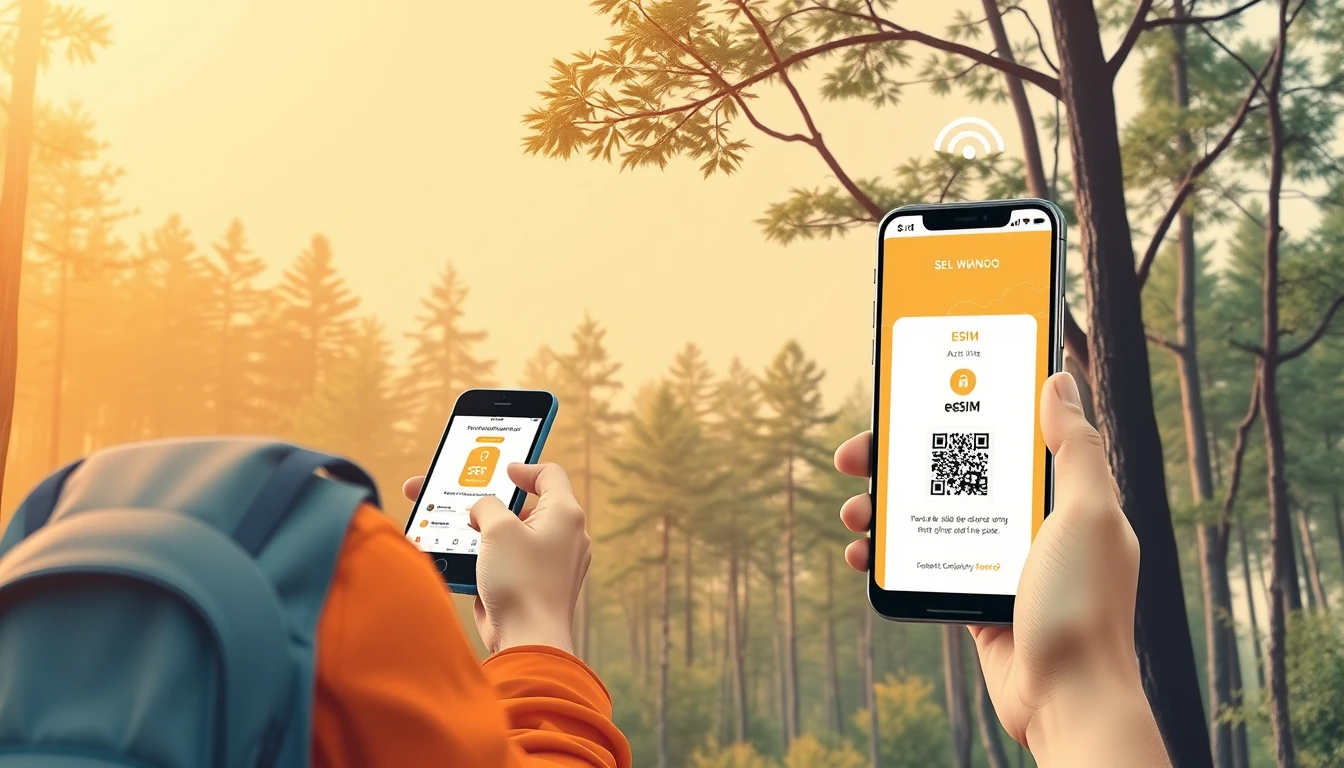
For most modern travelers, a travel eSIM is the most efficient way to stay connected. Unlike physical SIM cards that require you to visit a local store upon arrival, an eSIM is a digital version that can be activated before you even leave home. This ensures that you have service the moment your plane touches down at Luis Muñoz Marín International Airport.
Understanding eSIM compatibility and activation
Before you purchase an eSIM, you must ensure your device is compatible. Most smartphones released after 2018 support eSIM technology, but you should verify this in your phone settings or with your carrier. You also need to confirm that your phone is carrier-unlocked. If your device is locked to your home provider, it will not accept a secondary eSIM, regardless of the brand.
Activation typically involves scanning a QR code or entering an SM-DP+ address provided by your service provider. If you encounter any issues, you can refer to our install guide for step-by-step instructions. Once activated, the eSIM functions as a secondary data line, allowing you to keep your primary number active for potential calls or SMS while using the eSIM for high-speed data consumption.
Managing your data usage
Travelers often underestimate how much data they consume while on vacation. Between using GPS for road trips, posting to social media, and checking emails, a typical user might consume between 500MB and 1GB of data per day. If you plan on streaming music or video, that number can rise significantly.
Most eSIM plans are data-only. This is generally preferred for travelers, as voice calls can be handled through apps like WhatsApp, Skype, or FaceTime using your data allowance. If you are worried about running out, many providers allow you to purchase a top-up or select a larger data package initially. At ineedesim, we recommend monitoring your usage through your phone’s built-in data tracking settings to ensure you stay within your limits.
Coverage and hotspot functionality
Coverage in Puerto Rico is generally excellent in urban areas like San Juan and Ponce. However, if you plan on trekking into the mountains or visiting more remote coastal areas, signal strength can vary. It is always wise to download offline maps before heading into the wilderness.
Most eSIM plans allow for tethering or hotspot usage, meaning you can share your data connection with a tablet or laptop. This is particularly useful if you are working remotely during your trip. Ensure that your specific plan supports hotspot capabilities, as some carriers restrict this feature to optimize network performance. If you have questions about your specific plan, feel free to check our help page.
Essential tips for a smooth arrival
- Check your phone settings to ensure your primary line is set to voice only or roaming is disabled to avoid unexpected charges from your home carrier.
- Download necessary apps such as ride-sharing services and local restaurant guides before arriving.
- Keep a portable power bank handy, as using GPS and data will drain your battery faster than normal.
- Avoid relying solely on public Wi-Fi in cafes; use your eSIM for all sensitive transactions like banking or booking travel.
Frequently asked questions
Do I need a local phone number in Puerto Rico?
Most travelers do not need a local number. Data-only eSIMs are sufficient for using internet-based messaging and calling apps, which cover 99% of travel needs.
Will my eSIM work in the mountains or remote areas?
While coverage is strong in populated regions, remote mountain areas may have reduced signal. Downloading offline maps is a recommended safety precaution.
Can I use my eSIM to tether my laptop?
Yes, most eSIM plans allow for hotspot usage. Check your specific plan details to ensure tethering is enabled for your device.
¿Necesitas datos para tu viaje?
Explora planes eSIM para más de 190 destinos: entrega instantánea por código QR.
Ver destinos