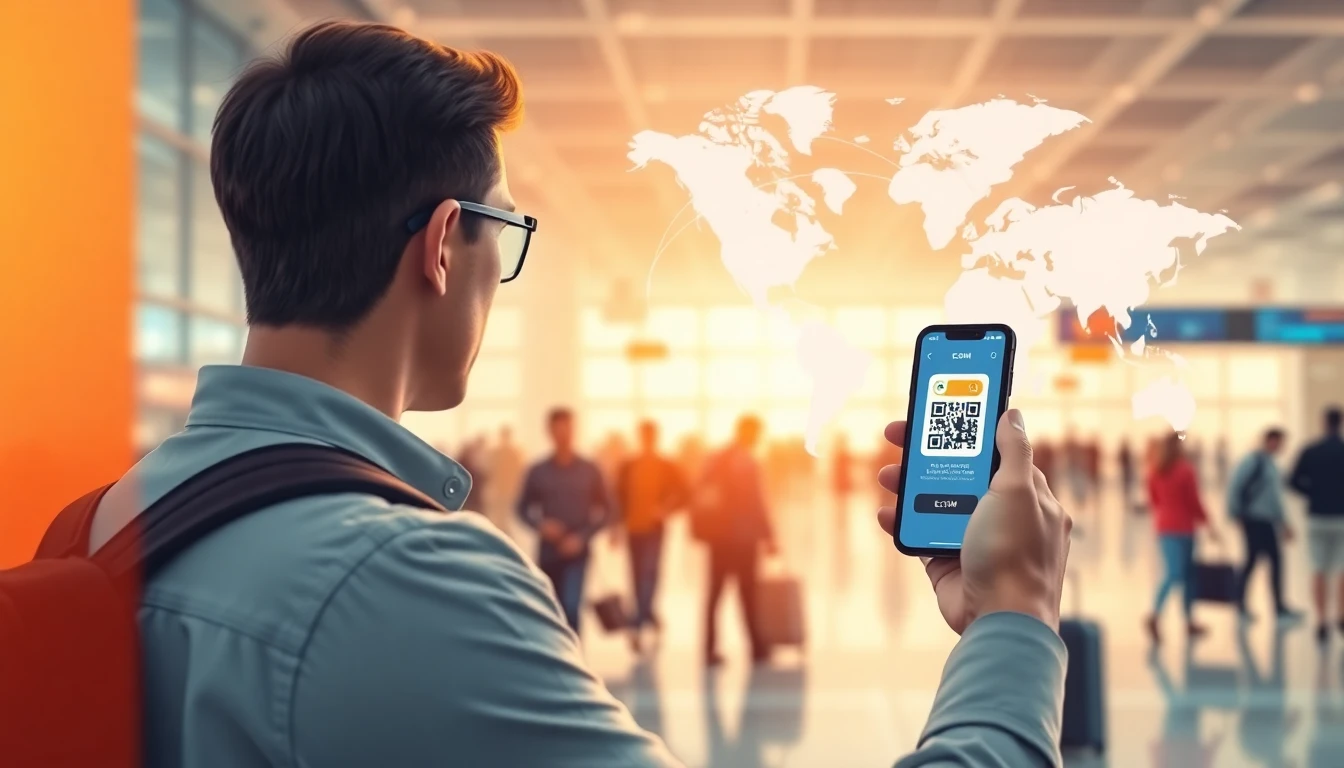
Staying long and exploring is about immersion, local experiences, and stepping away from the frantic pace of typical tourism. However, even when you are slowing down, the need for reliable, fast data remains constant. From navigating local public transport to finding the best hidden cafes or managing remote work, staying connected is the bridge between a seamless experience and a frustrating one. When you spend a month in a foreign country, your connectivity needs shift from short-term vacation bursts to long-term sustainability.
Understanding your connectivity profile
Before you choose a data plan, audit your actual requirements. A month-long trip involves different usage patterns than a weekend getaway. You are not just checking maps; you are likely downloading offline content, video calling home, and perhaps handling small professional tasks. Most travellers consume between 500MB and 2GB of data per day depending on their habits. If you rely on hotel Wi-Fi, your mobile data usage drops, but if you work from cafes or travel between cities, you need a larger, more stable mobile data allowance.
The shift to eSIM technology
For long-term travel, the physical SIM card is becoming obsolete. An eSIM is a digital version of a SIM card embedded directly into your phone’s hardware. This means no more searching for local kiosks, dealing with language barriers at mobile shops, or worrying about losing your home SIM card. To use an eSIM, your device must be carrier-unlocked and eSIM-compatible. Most modern smartphones released in the last few years support this technology. You can check your phone settings under the cellular or mobile data menu to see if an 'add eSIM' option is available.
Activation and setup protocols
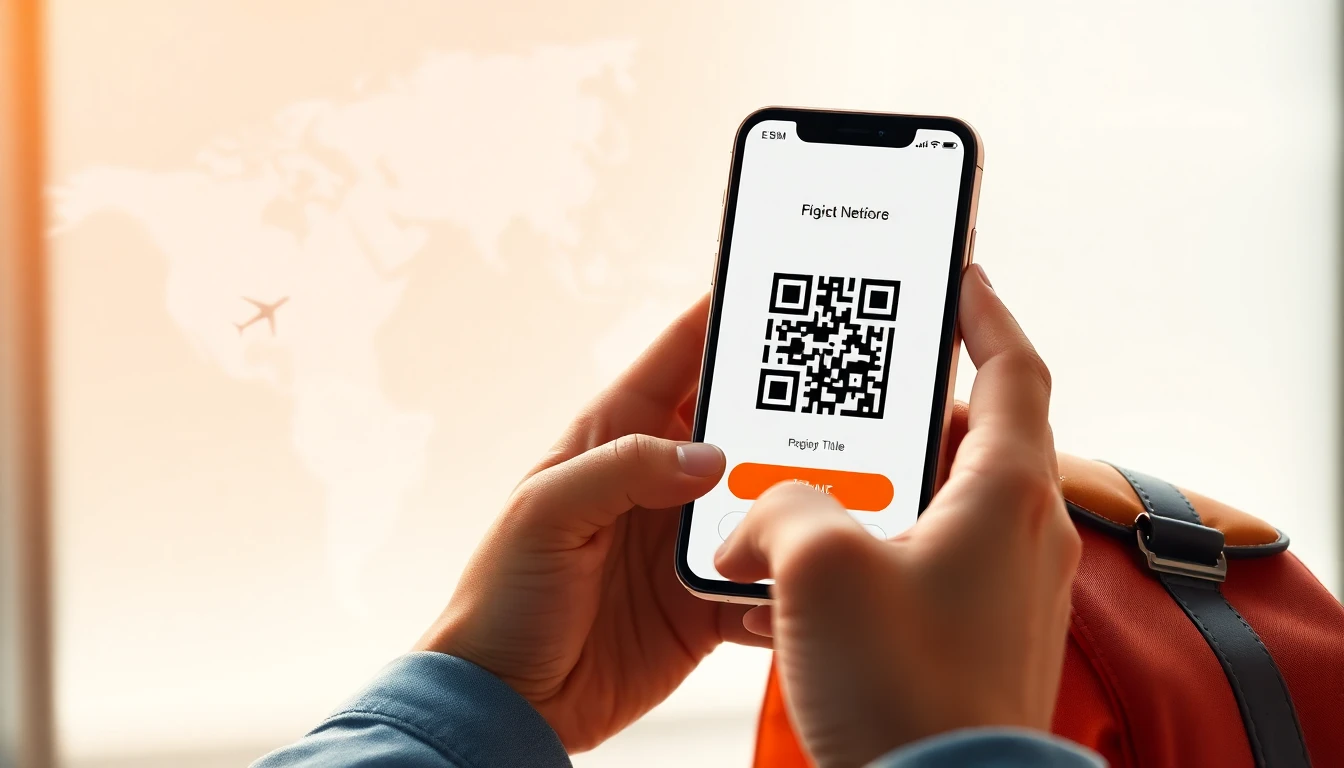
Activating an eSIM is a straightforward process that you can perform from your hotel room or even before you leave home. You will typically receive an email with a QR code or an SM-DP+ address. You can find a detailed installation guide on our website to walk you through the specifics for iOS or Android. Once scanned, the eSIM profile downloads to your device in seconds. It is important to remember that the data plan usually starts ticking the moment you connect to a supported network in your destination, so you can set it up in advance without wasting your data allowance.
Managing data usage for a month abroad
When you are on a long trip, running out of data is a major inconvenience. Many eSIM providers offer top-up options, but it is often more cost-effective to purchase a larger data package from the start. If you are travelling across multiple regions, look for regional eSIMs that cover several countries under one plan. This prevents the need to switch profiles constantly. Always keep your phone’s 'low data mode' enabled if you are on a tight budget, and download maps and language packs for offline use while you are connected to a stable Wi-Fi network.
Hotspotting and tethering considerations
One of the primary benefits of an eSIM is the ability to use your phone as a hotspot. If you are working remotely or need to connect a laptop, ensure that your chosen data plan explicitly allows for tethering. While most modern eSIM providers permit this, some specific carrier restrictions may apply. Keep in mind that tethering consumes data much faster than phone-based browsing. If you plan to share your connection frequently, consider opting for an unlimited data plan or a high-capacity bucket of 20GB or more for your month-long stay.
Troubleshooting common connectivity issues
Even with the best technology, you may occasionally run into issues. If your data is not working, the first step is to toggle 'Airplane Mode' on and off to force the device to re-register with the local network. Ensure that data roaming is turned on for your eSIM profile, as this is how the eSIM communicates with the partner carrier. If issues persist, check your APN settings to ensure they match the provider's requirements. For further assistance, you can visit our help page to troubleshoot specific errors or reach out to our support team.
Why choose ineedesim for your journey
Planning a month-long trip is complex enough without worrying about mobile connectivity. At ineedesim, we provide clear, upfront pricing and a wide range of data packages tailored for extended stays. By choosing a provider that specializes in travel, you ensure that you are getting access to high-speed networks without the hidden fees or contract traps associated with traditional roaming. Our goal is to keep you connected so you can focus on the slow travel experience rather than the technology behind it.
Frequently asked questions
Can I keep my home number active while using an eSIM?
Yes, most modern dual-SIM phones allow you to keep your home SIM active for calls and texts while using the eSIM for data. You will need to configure your cellular settings to use the eSIM specifically for cellular data to avoid expensive roaming charges.
What happens if I run out of data before the month ends?
Most eSIM providers offer a top-up feature through their app or website. You can purchase additional data packages that will either be added to your current eSIM profile or provided as a new one, depending on the carrier's system.
Does an eSIM provide a local phone number?
Typically, standard travel eSIMs are data-only and do not include a local phone number for calls or SMS. If you need a phone number, you may need to use a VoIP service like Skype or WhatsApp to make calls over your data connection.
Need data for your trip?
Browse eSIM plans for 190+ destinations — instant QR delivery.
Browse destinations