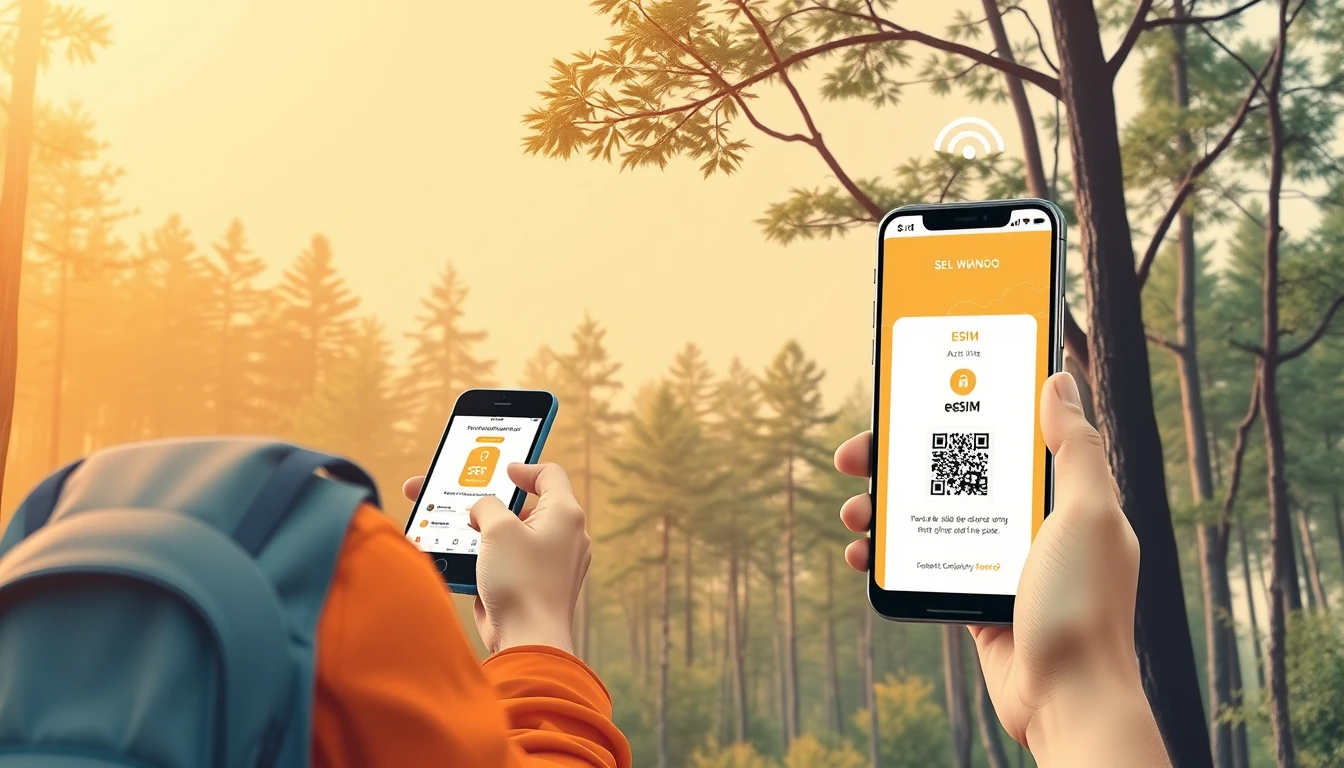
Planning your autumn 2026 adventure
Autumn is arguably the best time for international travel. The peak summer crowds have dispersed, the extreme heat of mid-year has faded into comfortable temperatures, and the landscapes transform into vibrant shades of gold and crimson. Whether you are chasing the last of the Mediterranean sun or heading to the cooler climates of Northern Europe, having a reliable connectivity plan is essential for navigating new cities and sharing your experiences.
Selecting the best countries to visit this autumn 2026 requires balancing weather patterns with local event calendars. Once you have chosen your destination, the next step is ensuring your smartphone is ready for international roaming without the typical costs. Modern travel eSIMs provide a convenient way to access local data networks immediately upon arrival, bypassing the need for physical SIM card swaps or expensive home-carrier roaming fees.
Japan: The peak of koyo season
Japan is spectacular in autumn. From late October through November, the country experiences its famous koyo season, where maple leaves turn brilliant shades of red and orange. Tokyo, Kyoto, and the mountainous regions of Nagano are ideal for hiking and temple visits. The weather is crisp, making it comfortable for walking tours and outdoor photography.
For Japan, a high-speed data eSIM is highly recommended. Because you will likely rely on Google Maps for navigating complex train systems and translation apps for menus, a steady connection is non-negotiable. Most eSIMs for Japan provide access to major local networks, ensuring you have coverage even in rural areas. Ensure your device is carrier-unlocked before you depart, as locked phones will not accept an eSIM profile.
Portugal: Mild weather and wine harvests
Portugal offers a perfect autumn climate, particularly in the Douro Valley and the Algarve. By September and October, the harvest season is in full swing, and the coastal towns are significantly quieter than in August. It is an ideal time for a road trip from Lisbon to Porto without the dense tourist traffic.
When traveling across Portugal, you need an eSIM that supports reliable data tethering. This is particularly useful if you are working remotely or need to share a GPS connection with a rental car's infotainment system. Before purchasing, verify your device compatibility by checking your phone's settings for an EID number. If your phone supports eSIM, you can install your profile via a QR code or SM-DP+ address provided by your supplier.
Turkey: Ancient history in cooling temperatures
Turkey is vast, and autumn is the best time to explore its interior. While the coast remains warm enough for swimming, the historical sites in Istanbul, Cappadocia, and Ephesus become much more pleasant to explore in the cooling air. The autumn light is also softer, which is a major benefit for those interested in architectural photography.
Connectivity in Turkey can be complex due to local registration requirements for physical SIM cards. Using an eSIM from ineedesim simplifies this process significantly, as it bypasses the need to visit a local store and register your passport. Most travel eSIMs are data-only, which works perfectly for messaging apps like WhatsApp or Telegram, allowing you to bypass the need for a local voice number.
Canada: The spectacle of the changing forests
If you prefer dramatic landscapes, Eastern Canada—specifically Ontario and Quebec—is world-renowned for its autumn foliage. From mid-September to early October, the maple forests turn into a sea of vibrant colors. It is a fantastic time for national park visits, though you should be prepared for rapidly changing weather conditions.
Canada is a large country, and cellular coverage can vary significantly between urban centers and remote wilderness areas. When choosing an eSIM, look for providers that partner with the major national carriers to ensure the widest possible coverage. If you find yourself using more data than expected for navigation or streaming, many providers allow you to top up your data balance directly through their app or website.
Connectivity tips for the modern traveller
Regardless of your destination, the process for staying connected remains consistent. Once you purchase your eSIM, you will typically receive a QR code via email. To activate it, go to your phone's cellular settings, select "Add eSIM," and follow the prompts to scan the code. It is best to do this while you still have a stable Wi-Fi connection at home or at the airport.
Remember that travel eSIMs are generally data-only. This means your normal phone number will not work for traditional voice calls or SMS unless you have Wi-Fi calling enabled. For most travelers, using data-based communication apps is more than sufficient. For detailed steps on how to configure your device, consult our installation guide to ensure a smooth setup process.
Frequently asked questions
Can I use my home phone number while using a travel eSIM?
Yes, most modern smartphones allow you to keep two SIMs active simultaneously. You can set your travel eSIM as the primary source for "Cellular Data" while keeping your home SIM active for voice calls, though you should check with your home carrier regarding roaming charges.
What happens if I run out of data during my trip?
Most eSIM providers allow you to purchase a top-up directly through their platform. You do not need to install a new QR code; the additional data is typically pushed to your existing eSIM profile shortly after purchase.
Will an eSIM work on any smartphone?
An eSIM requires a device that is both eSIM-capable and network-unlocked. You can verify this by checking your phone's settings or contacting your home carrier to ensure there are no SIM-lock restrictions on your hardware.
Need data for your trip?
Browse eSIM plans for 190+ destinations — instant QR delivery.
Browse destinations