Travel groups are trending again, bringing together friends, families, and digital nomads for shared experiences across the globe. While group travel offers companionship and shared costs, it often creates a significant logistical headache: keeping everyone connected to the internet. Relying on one person to act as a mobile hotspot is a recipe for disaster, leading to battery drainage, restricted movement, and constant arguments over data usage.
The fallacy of the group hotspot
Many travelers assume that buying one local SIM card or a single portable Wi-Fi device is the most economical way to keep a group connected. However, this approach creates a physical tether between group members. If the person holding the hotspot wanders into a different store, visits a restroom, or simply walks a few meters ahead, the rest of the group loses their connection. Furthermore, tethering multiple devices to one phone significantly increases the battery consumption of the host device, often leaving the group leader without a phone by early afternoon.
Why individual eSIMs are the modern solution
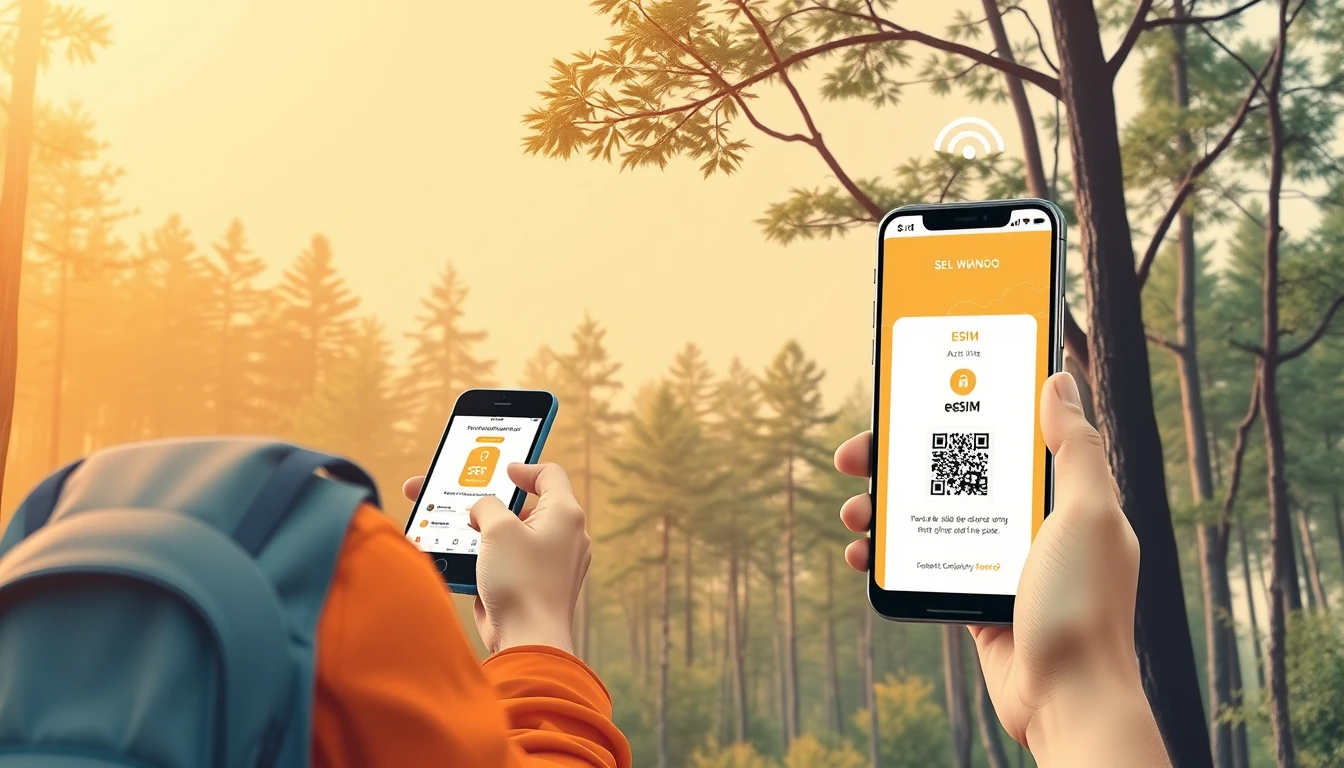
Travel groups are trending again — how to keep everyone connected without one person's hotspot dying involves moving away from shared data. An eSIM, or embedded SIM, allows each traveler to have their own dedicated data plan on their own device. Because an eSIM is digital, you do not need to hunt for physical SIM cards at local kiosks or manage multiple plastic cards. Each member of your group can activate their own plan before they even board the plane, ensuring they have connectivity the moment they land.
Understanding eSIM compatibility and activation
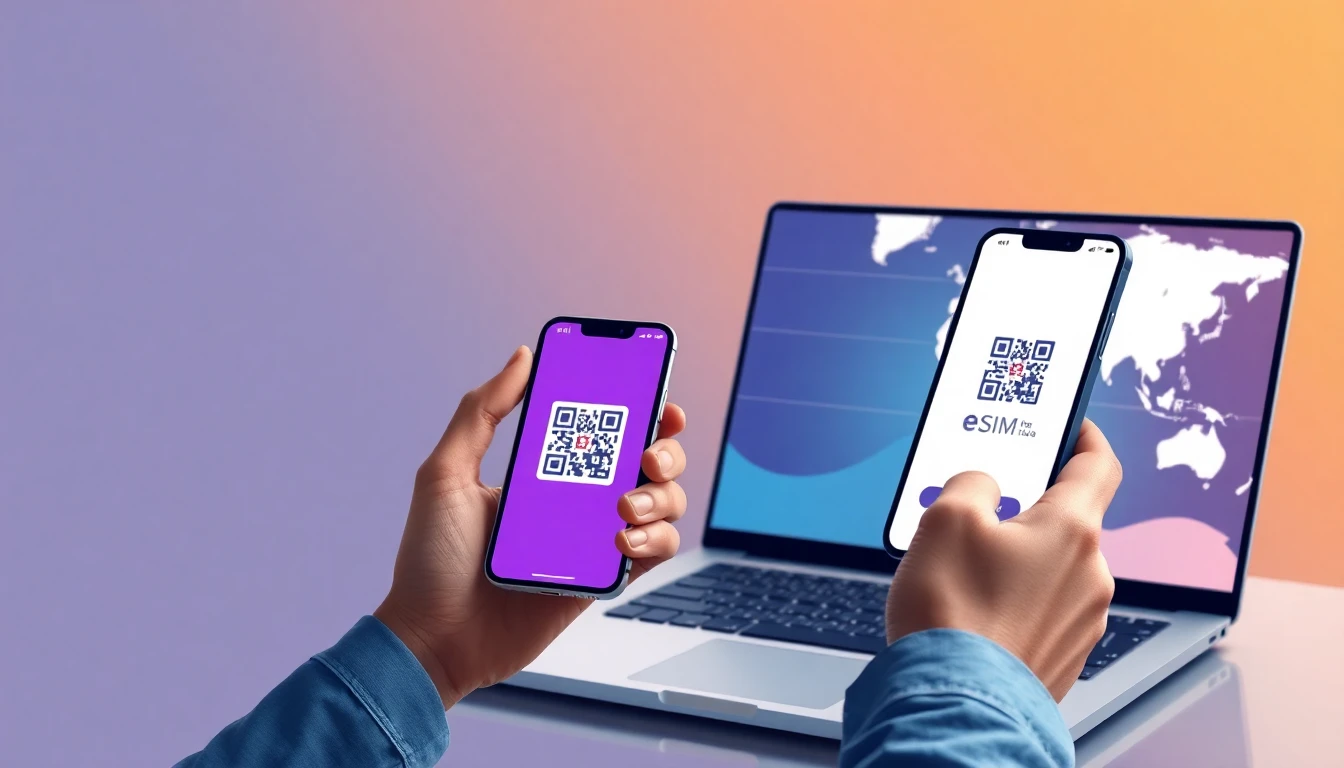
Before your group departs, every member must confirm that their smartphone is eSIM-compatible. Most modern smartphones released in the last few years support this technology, but it is essential to check the device settings or the manufacturer's website. Activation is typically performed by scanning a QR code provided upon purchase or by manually entering an SM-DP+ address and activation code in the cellular settings menu. For those new to the process, following a clear install guide can prevent common setup mistakes.
Data management for groups
When everyone has their own eSIM, you eliminate the need to track who used how much data. Each traveler can monitor their own consumption through their phone's native settings. If one traveler is a heavy user—perhaps they enjoy streaming videos or uploading high-resolution photos—they can purchase a larger data package, while a casual user who only needs maps and messaging can opt for a smaller, cheaper plan. This granular control prevents the unfairness often found in shared data pools.
Troubleshooting connectivity in transit
Even with individual eSIMs, travelers should understand how to toggle their data settings. Ensure that the eSIM is set as the primary data line and that roaming is enabled for that specific eSIM profile. If a connection is weak, toggling airplane mode on and off often forces the device to reconnect to the strongest local tower. If you encounter persistent issues, refer to our help section for common solutions regarding APN settings or carrier selection.
Avoiding the roaming trap
Many travelers mistakenly leave their home SIM active with data roaming turned on, leading to exorbitant charges from their home carrier. When using an eSIM, it is standard practice to turn off cellular data for the home SIM and rely entirely on the travel eSIM. This ensures that your phone does not accidentally connect to a roaming partner at a high daily cost. By keeping the home SIM active for voice calls or texts only, you maintain the ability to receive two-factor authentication codes while avoiding data fees.
Frequently asked questions
Can I share my eSIM data with others?
While most eSIMs allow for personal hotspot tethering, it is not recommended for an entire group as it drains the host's battery quickly. It is much more reliable for each traveler to have their own individual eSIM plan.
Do I need a different eSIM for every country I visit?
Not necessarily. Many providers offer regional eSIMs that cover multiple countries within a continent, such as Europe or Southeast Asia. This is ideal for groups moving across borders as it keeps connectivity seamless throughout the trip.
What happens if I run out of data?
Most eSIM providers allow you to purchase a top-up or a new plan directly through their website or app. You can usually install the new data package immediately, ensuring there is no gap in your ability to navigate or communicate.
Need data for your trip?
Browse eSIM plans for 190+ destinations — instant QR delivery.
Browse destinations