The concept of slow travel has evolved from a niche philosophy into a mainstream movement, with Italy serving as its primary global stage. In 2026, travelers are increasingly rejecting the frantic pace of checklist tourism in favor of deep immersion. Instead of racing between major landmarks, visitors are spending weeks in single regions, frequenting local markets, and building authentic connections with Italian communities. This shift prioritizes quality of experience over the quantity of sites visited.
The Philosophy of Slow Travel in Italy
Slow travel is fundamentally about intentionality. In the Italian context, this means choosing a base in a smaller town like Orvieto or Ascoli Piceno rather than hopping between major tourist hubs. It involves embracing the local rhythm, such as the afternoon riposo, and prioritizing regional culinary traditions over international chains. By staying longer in one location, travelers reduce their carbon footprint and contribute more directly to the local economy.
This approach requires a different set of logistical preparations. Without the structure of a rigid tour itinerary, travelers must become their own navigators. Access to reliable digital tools is essential for finding hidden gems, translating menus, and managing transport schedules in rural areas. Having consistent data connectivity allows you to linger in a piazza or wander down a side street without the fear of losing access to maps or communication tools.
Why Connectivity Matters for the Slow Traveler
While the goal of slow travel is to unplug from the stress of modern life, it is not about disconnecting from the utility of the internet. A reliable mobile connection is the backbone of independent exploration. When you are not relying on tour guides, your smartphone becomes your primary resource for real-time information. You need data to check the opening hours of a local artisan shop, book a last-minute regional train ticket, or navigate the intricacies of a village bus route.
Many travelers find that a data-only eSIM is the most efficient way to manage this connectivity. Unlike traditional roaming, which can be prohibitively expensive and often throttled, a local or regional eSIM provides consistent speed and transparent pricing. Because slow travel often involves venturing into less-touristed areas, having a provider with broad network coverage across Italy is crucial for peace of mind.
Choosing the Right eSIM for Your Italian Journey
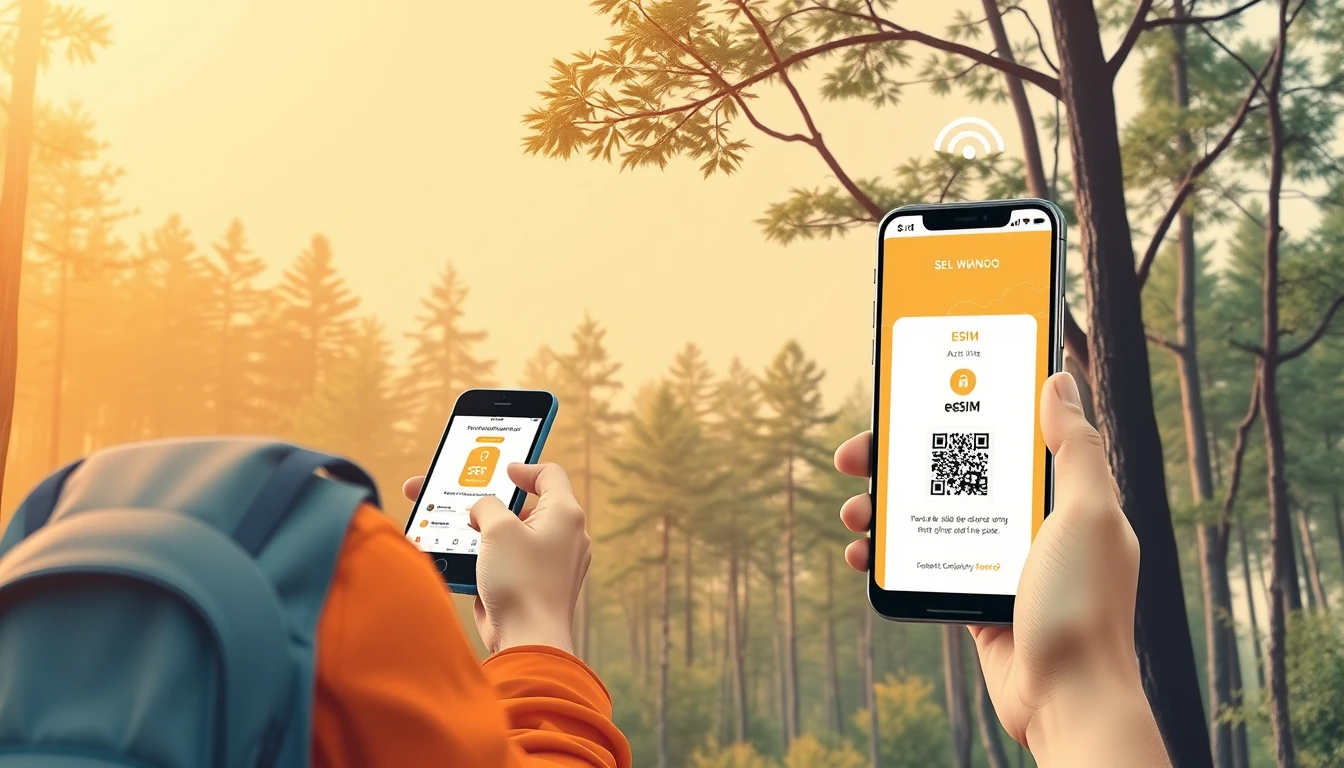
When planning a trip that lasts weeks or months, your connectivity strategy must be scalable. Data-only eSIMs are ideal because they allow you to maintain your home number for urgent calls while using a dedicated data plan for your navigation and communication apps. Most modern smartphones support eSIM technology, allowing you to activate a plan via a QR code or an SM-DP+ address provided by your supplier.
When selecting a plan, consider your typical daily data usage. While simple navigation and messaging consume very little, using data to stream local music or upload photos of your journey will increase your requirements. Many travelers find that a mid-range data package is sufficient, provided they have the flexibility to top up easily if their plans change. If you are traveling as a couple or family, remember that you can share your connection via hotspot/tethering, though this will drain your data allowance faster.
Practical Steps to Stay Connected
To ensure your transition to slow travel remains seamless, follow these steps to manage your connectivity:
- Verify your device compatibility: Ensure your smartphone is carrier-unlocked and supports eSIM technology before your departure.
- Purchase your plan in advance: Secure your eSIM before you leave home to avoid the stress of finding a local shop or relying on unstable airport Wi-Fi.
- Install early: Follow the install guide to set up your eSIM profile while you still have a stable home connection.
- Manage settings: Disable cellular data for non-essential apps to preserve your balance and ensure you have data available for navigation and emergency translation.
- Monitor usage: Check your provider dashboard regularly to see if you need a top-up before your current package expires.
Overcoming Common Connectivity Mistakes
One common mistake is assuming that free public Wi-Fi will suffice. In many smaller Italian towns, public networks are either non-existent or require local phone numbers for registration, which makes them inaccessible to international visitors. Relying on these networks can leave you stranded in remote areas without access to maps or ride-sharing services.
Another error is waiting until you arrive to find a physical SIM card. This often involves searching for a store during limited business hours, dealing with language barriers, and providing identification documents. Using a service like ineedesim allows you to bypass these hurdles entirely, giving you instant access to the network the moment your plane touches down or your train crosses the border.
Embracing the Unplanned
Slow travel is inherently unpredictable. You might decide to stay an extra three days in a village because you enjoyed a particular vineyard, or you might take a detour to visit a festival you read about online. This freedom is the greatest benefit of the slow travel movement. By having a flexible data plan, you ensure that your technology supports your spontaneity rather than hindering it.
Connectivity should be a quiet, invisible assistant. When you have a reliable eSIM, you stop thinking about "how to get there" or "where to find the train schedule" and start focusing on the experience of being in Italy. The goal of using modern connectivity in a slow travel context is to reach a state where the digital tools fade into the background, allowing the landscape and culture to take center stage.
Frequently asked questions
Do I need a local Italian phone number for my trip?
For most travelers, a data-only eSIM is sufficient as navigation, messaging, and email do not require a local phone number. If you find you need to make voice calls, you can use VoIP services like WhatsApp or Skype, which rely on your data connection.
What happens if I run out of data in a rural area?
If you find your data balance running low, you can typically purchase a top-up through your provider's website or app. It is advisable to check your usage periodically and top up while you still have a connection to avoid being caught without data in a remote location.
Is it possible to use my eSIM on multiple devices?
An eSIM profile is generally locked to a single device for security reasons. If you need connectivity on multiple devices, such as a tablet and a phone, you should set up a separate eSIM for each or use your phone's hotspot feature to share your data connection.
Need data for your trip?
Browse eSIM plans for 190+ destinations — instant QR delivery.
Browse destinations